How Bandwidth Affects Your Internet Speed
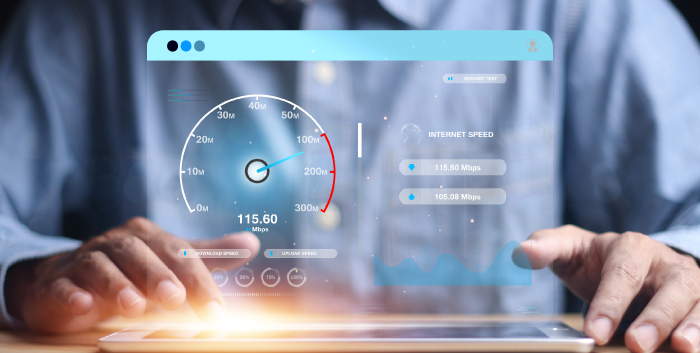
In today’s digital world, fast and reliable internet is no longer a luxury; it’s a necessity. Whether you are streaming movies, attending virtual meetings, gaming online, or simply browsing the web, your internet speed can make or break your experience. One key factor that directly influences internet speed is bandwidth. In this article, we will explore how bandwidth affects your internet speed, why it matters, and how you can optimize it for better performance.
Table of Contents
- What is Bandwidth?
- Difference Between Bandwidth and Internet Speed
- How Bandwidth Affects Your Internet Speed
- Factors That Influence Internet Speed
- How to Measure Your Bandwidth and Internet Speed
- Tips to Optimize Bandwidth Usage
- Common Misconceptions About Bandwidth
- Frequently Asked Questions
What is Bandwidth?
Bandwidth refers to the maximum amount of data that can be transmitted over your internet connection in a given period, usually measured in megabits per second (Mbps) or gigabits per second (Gbps). Think of it as a highway: the wider the highway, the more cars can travel simultaneously. Similarly, higher bandwidth allows more data to flow through your connection at the same time, improving your internet experience.
A common misconception is that bandwidth and internet speed are the same, but they are not. While bandwidth determines the capacity of your connection, internet speed is the rate at which data travels.
Learn more about bandwidth from trusted sources like HowStuffWorks.
Difference Between Bandwidth and Internet Speed
Many people confuse bandwidth with internet speed, but understanding the difference is crucial:
- Bandwidth: Maximum data capacity of your connection
- Internet Speed: Actual rate of data transfer you experience while browsing, streaming, or downloading
For example, you might have a 100 Mbps bandwidth, but due to network congestion, device limitations, or poor Wi-Fi signals, your real-time internet speed may be only 60 Mbps.
| Feature | Bandwidth | Internet Speed |
|---|---|---|
| Definition | Data capacity | Data transfer rate |
| Unit | Mbps/Gbps | Mbps |
| Impact | Determines maximum possible speed | Affects real-time experience |
| Example | Highway width | Actual cars passing per minute |
How Bandwidth Affects Your Internet Speed
Bandwidth plays a crucial role in your online experience. The higher your bandwidth, the more data can be transmitted, resulting in faster internet for multiple devices simultaneously. Here’s how it affects your internet speed:
Streaming and Downloads
Streaming HD or 4K videos requires higher bandwidth. If your bandwidth is insufficient, videos may buffer, or quality may drop automatically. Similarly, downloading large files will take longer if bandwidth is limited.
Multiple Devices
In households with multiple devices, bandwidth gets divided. Each device receives a portion, and if too many devices are active, internet speed can slow down significantly.
Online Gaming
Online gaming requires both high speed and low latency. Limited bandwidth can lead to lag, disrupting gameplay and frustrating players.
Video Conferencing
Platforms like Zoom or Microsoft Teams rely on steady bandwidth to transmit audio and video in real-time. Low bandwidth causes frozen screens, delayed audio, or dropped calls.
Web Browsing
Even simple activities like browsing websites or checking emails can feel slow if bandwidth is constrained, especially when websites are content-heavy with images and videos.
Factors That Influence Internet Speed
- Network Congestion: High traffic on your network can slow down speed.
- Wi-Fi Signal Strength: Distance from the router and obstacles can reduce speed.
- Hardware Limitations: Older devices or routers may not support high-speed connections.
- ISP Throttling: Internet service providers may limit speeds for certain activities.
- Server Limitations: Download speeds can be affected by the server you are connecting to.
How to Measure Your Bandwidth and Internet Speed
To optimize internet performance, you first need to know your bandwidth and actual speed.
Step 1: Use Online Tools
Step 2: Compare With Your Plan
Check your internet plan’s advertised bandwidth and compare it with your actual speed. Large discrepancies may indicate network issues or throttling.
Step 3: Test at Different Times
Network congestion varies throughout the day. Test at multiple times to get an accurate understanding of your speed.
Tips to Optimize Bandwidth Usage
- Limit Background Apps: Close apps or programs that consume bandwidth in the background.
- Upgrade Your Router: A modern router can handle higher bandwidth and support multiple devices efficiently.
- Use Wired Connections: Ethernet connections provide more stable speeds than Wi-Fi, especially for gaming or video streaming.
- Schedule Large Downloads: Download big files during off-peak hours to avoid network congestion.
- Prioritize Devices or Apps: Some routers offer Quality of Service (QoS) settings to prioritize certain devices or applications.
- Monitor Bandwidth Usage: Tools like GlassWire or NetWorx can help you track which apps or devices consume the most bandwidth.
Common Misconceptions About Bandwidth
- Higher Bandwidth Always Means Faster Internet: While high bandwidth allows more data flow, actual speed depends on other factors like hardware and network congestion.
- Unlimited Plans Mean Unlimited Speed: Many ISPs offer unlimited data but may throttle speeds after certain usage limits.
- Wi-Fi vs. Wired Connections: Wi-Fi is convenient but may not deliver the full bandwidth, especially over long distances or through walls.
Frequently Asked Questions
1. What is the ideal bandwidth for streaming 4K videos?
You need at least 25 Mbps per device for smooth 4K streaming without buffering.
2. Can bandwidth affect gaming latency?
Yes, insufficient bandwidth can cause lag, but latency is also affected by server distance and network stability.
3. How many devices can share a 100 Mbps connection?
It depends on usage. For light browsing, up to 10 devices may work well, but for HD streaming or gaming, fewer devices are ideal.
4. Can upgrading bandwidth improve slow internet?
Upgrading can help if your current bandwidth is insufficient, but if issues are caused by network congestion or hardware, it may not solve the problem.
5. How to check if my ISP is throttling bandwidth?
Use speed testing tools during different times and compare results. If you notice consistent drops for specific activities like streaming, throttling may be occurring.
Conclusion
Bandwidth directly affects your internet speed, and understanding how it works is essential for a smooth online experience. By knowing the difference between bandwidth and speed, monitoring your network, and optimizing your usage, you can enjoy faster downloads, smoother streaming, and better gaming performance. Choosing the right internet plan, upgrading hardware, and managing connected devices are key steps to maximize your bandwidth.
For more information on internet speed optimization, check out Lifewire for expert guides and tips.
By focusing on bandwidth and its impact on your internet speed, you can make informed decisions that enhance your digital life. Remember, it’s not just about having a fast plan; it’s about using your bandwidth efficiently.