How Fiber Optic Internet Works: Speed, Benefits and Technology Explained
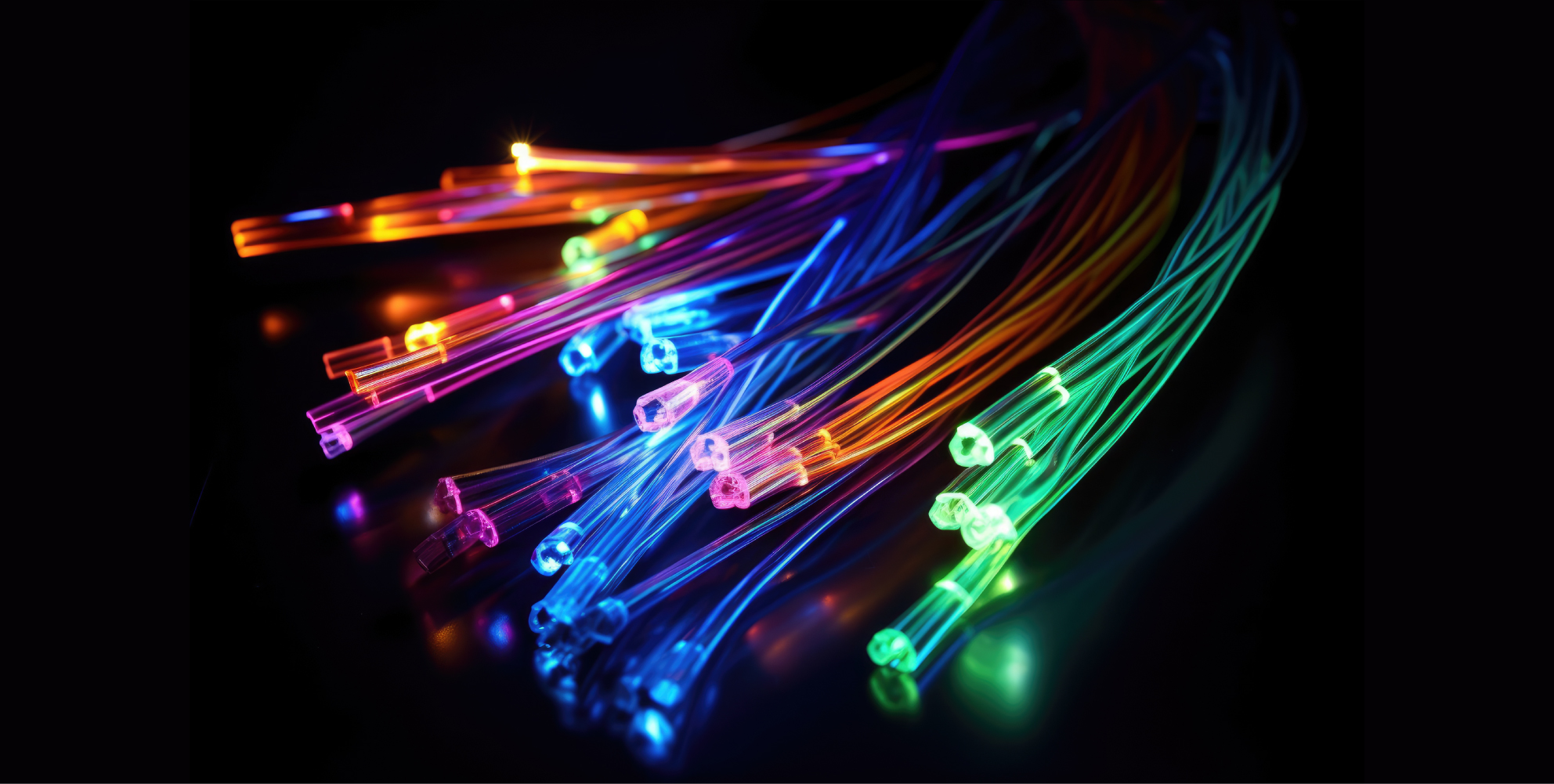
Have you ever wondered why fiber internet feels incredibly fast compared to traditional broadband? Whether you are streaming 4K videos, running online ads, managing a business website, or gaming competitively, fiber optic technology is transforming the internet experience.
In this detailed guide, you will learn How Fiber Optic Internet Works, why it delivers unmatched speed, and whether it is the right choice for your home or business.
Table of Contents
- What Is Fiber Optic Internet?
- How Fiber Optic Internet Works
- Main Components of Fiber Technology
- Fiber vs Cable vs DSL
- Speed and Performance
- Benefits of Fiber Internet
- Types of Fiber Connections
- FAQs
What Is Fiber Optic Internet?
Fiber optic internet is a broadband connection that uses light signals transmitted through ultra-thin glass or plastic fibers. Unlike copper cables used in DSL or cable internet, fiber sends data as pulses of light.
Understanding How Fiber Optic Internet Works begins with this simple idea: light travels faster and more efficiently than electrical signals, which allows fiber networks to provide extremely high speeds and stable connections.
For more technical background, visit:
Fiber Optic Association
How Fiber Optic Internet Works
Let’s break down How Fiber Optic Internet Works step by step.
1. Data Is Converted into Light
Your internet activity begins as electrical data. At your Internet Service Provider’s central office, this data is converted into light pulses using lasers or LEDs.
2. Light Travels Through Fiber Cables
The light pulses travel through fiber optic cables. These cables contain a core surrounded by cladding that reflects light internally. This reflection keeps the signal strong over long distances.
3. Light Is Converted Back into Data
At your home, an Optical Network Terminal (ONT) converts light signals back into electrical signals. Your router then distributes the internet to your devices.
This process happens almost instantly, which explains why understanding How Fiber Optic Internet Works helps you see why speeds are significantly higher than traditional broadband.
Main Components of Fiber Technology
| Component | Role |
|---|---|
| Optical Fiber Cable | Transmits data using light signals |
| Laser/LED Transmitter | Converts electrical signals into light |
| Optical Network Terminal (ONT) | Converts light back into electrical signals |
| Router | Distributes internet to devices |
Each component plays a critical role in explaining How Fiber Optic Internet Works efficiently and reliably.
Fiber vs Cable vs DSL
| Feature | Fiber | Cable | DSL |
|---|---|---|---|
| Maximum Speed | Up to 10 Gbps | Up to 1 Gbps | Up to 100 Mbps |
| Upload Speed | Symmetrical | Lower than download | Very limited |
| Latency | Very low | Moderate | Higher |
| Signal Interference | Minimal | Possible | Common |
This comparison clearly shows why more people are researching How Fiber Optic Internet Works before upgrading their broadband plans.
Speed and Performance Explained
Higher Bandwidth
Fiber can carry massive amounts of data simultaneously without slowing down.
Symmetrical Speeds
Upload and download speeds are equal. This is ideal for video conferencing, cloud backups, digital marketing campaigns, and online trading.
Low Latency
Gamers and remote workers benefit from near-instant response times.
According to the
FCC Broadband Speed Guide, fiber consistently provides the most stable high-speed internet performance.
All of this becomes clear once you understand How Fiber Optic Internet Works using advanced light transmission technology.
Benefits of Fiber Internet
- Extremely fast download and upload speeds
- Reliable performance during peak hours
- Minimal signal interference
- Future-proof technology
- Perfect for businesses and content creators
When evaluating broadband options, knowing How Fiber Optic Internet Works helps you make a long-term investment decision.
Types of Fiber Connections
FTTH (Fiber to the Home)
Fiber directly connects to your home for maximum speed.
FTTB (Fiber to the Building)
Fiber reaches a building, then copper wiring distributes the connection internally.
FTTC (Fiber to the Curb)
Fiber reaches near your home, but the final segment uses copper cables.
Frequently Asked Questions
1. How fast is fiber optic internet?
Fiber internet can range from 100 Mbps to 10 Gbps depending on the provider and plan.
2. Why is fiber faster than cable?
Because it transmits data as light instead of electrical signals, allowing faster and more stable communication.
3. Is fiber good for gaming?
Yes. Low latency and symmetrical speeds make it ideal for competitive gaming.
4. Does fiber internet slow down at night?
Fiber is less affected by congestion compared to cable internet.
5. Is fiber worth the cost?
For heavy users, businesses, and remote workers, fiber is absolutely worth the investment.
Final Thoughts
Now that you understand How Fiber Optic Internet Works, it is clear why this technology is considered the future of broadband. Faster speeds, reliable performance, and long-term scalability make fiber a powerful choice for both homes and businesses.
If high-speed internet matters to you, upgrading to fiber may be one of the smartest digital decisions you can make.