
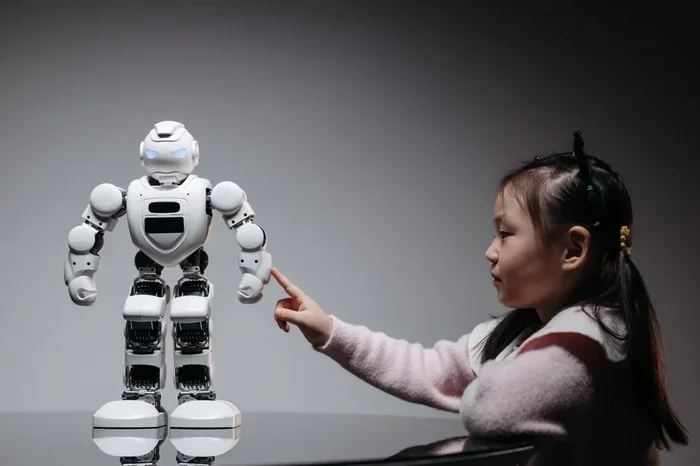
AI tools are transforming education and learning by offering personalized experiences, improving accessibility, and boosting productivity for both students and educators. Explore the best AI tools for education and learn how to integrate them into your learning journey today.
Welcome to the Future of Learning: AI Tools for Education
Imagine having a personalized learning coach, an instant language translator, or an intelligent essay grader at your fingertips. Welcome to the world of AI tools for education and learning! Artificial Intelligence is revolutionizing the way we teach and learn, offering unprecedented opportunities to enhance learning experiences, improve accessibility, and boost productivity. Let’s dive into the fascinating realm of AI tools and discover how you can harness their power to transform your educational journey.
Understanding AI Tools for Education
Artificial Intelligence in education refers to the use of intelligent computer programs to provide personalized, adaptive learning experiences. These tools can analyze vast amounts of data, learn from patterns, and make predictions or decisions based on that information. In the context of education, AI tools can adapt to individual learning styles, provide immediate feedback, and offer 24/7 learning support.
AI Tools for Personalized Learning*
Adaptive Learning Platforms: Tools like Carnegie Learning, ALEKS, and Carnegie Learning use AI to adapt to students’ learning paces and styles. They offer personalized learning paths, continuously adjusting difficulty levels to keep students engaged and challenged.
AI-Powered Tutoring Systems: Platforms like Pearson’s AI-powered tutoring system, Socrat, and Carnegie Learning’s AI tutor provide one-on-one learning support, offering instant feedback and guidance to students.
Intelligent Content Recommendation: AI tools can analyze students’ learning patterns and preferences to recommend relevant educational resources, videos, and articles. platforms like Knewton and Carnegie Learning offer personalized content recommendations to enhance learning experiences.
AI Tools for Accessible Learning
Speech Recognition Software: Tools like Dragon NaturallySpeaking and Google Live Transcribe use speech recognition technology to convert spoken words into written text, helping students with reading difficulties or learning disabilities.
Text-to-Speech and Speech-to-Text Tools: Platforms like Read&Write for Google and Microsoft’s Learning Tools offer text-to-speech and speech-to-text functionality, making learning materials more accessible to students with visual impairments or learning difficulties.
AI-Powered Braille Translators: Tools like the Braille Translator App use AI to convert text into braille, making educational materials more accessible to visually impaired students.
AI Tools for Productive Learning
Intelligent Essay Scoring: Platforms like EDR Score and Ecree use AI to score essays, providing instant feedback and helping students improve their writing skills. For educators, these tools save time and simplify the grading process.
AI-Powered Study Companions: Tools like Cram and Quizlet’s Study Mode use AI to create personalized study plans, helping students review and reinforce what they’ve learned.
Automated Grading and Feedback: AI tools can automate grading for objective questions, freeing up educators’ time to focus on teaching and providing meaningful feedback to students.
AI Tools for Creative Learning
AI-Powered Language Learning: Tools like Duolingo and Babbel use AI to adapt language learning experiences to individual users’ proficiency levels and learning styles.
AI Art and Music Generation: Tools like DeepArt and Amper use AI to generate unique pieces of art and music, encouraging creative expression and experimentation.
AI-Powered Coding Tutors: Platforms like Codementor and CodeMentor use AI to provide personalized coding tutorials, helping students learn to code more effectively.
Integrating AI Tools into Your Learning Journey
1. Identify your learning goals: Consider what you want to achieve and choose AI tools that align with your objectives.
2. Explore available tools: Research AI tools for education and try out a few to find the best fit for your needs.
3. Start with small steps: Integrate AI tools gradually into your learning routine, giving yourself time to adapt and gain familiarity.
4. Track your progress: Monitor your learning journey, adjusting your approach as needed to maximize the benefits of AI tools.
The Future of AI in Education
As AI continues to evolve, so too will its role in education and learning. We can expect to see more personalized, adaptive, and immersive learning experiences powered by AI. Virtual reality, augmented reality, and other emerging technologies promise to further enrich the educational landscape, opening up new possibilities for learning and discovery.
Conclusion: Embracing AI Tools for Education
AI tools offer a myriad of opportunities to enhance learning experiences, improve accessibility, and boost productivity in education. By embracing these innovative tools, we can unlock our full potential and pave the way for a brighter, more connected learning future. So, grab your virtual thinking cap and dive into the world of AI tools for education – your learning journey awaits!
*
Key Takeaways
- Personalization: AI tools adapt to individual learning styles and paces.
- Accessibility: AI enhances learning experiences for students with disabilities.
- Productivity: AI automates tasks, allowing educators to focus on teaching and students to focus on learning.
- 24/7 Availability: AI-powered tutors provide round-the-clock learning support.
- Adaptive Learning: AI tools continuously adjust difficulty levels to keep students engaged.
Frequently Asked Questions
**
Which AI tools are best for personalized learning?
Adaptive learning platforms, AI-powered tutoring systems, and intelligent content recommendation tools offer personalized learning experiences. Examples include Carnegie Learning, ALEKS, and Pearson’s AI-powered tutoring system.
How can AI tools improve accessibility in education?
AI tools like speech recognition software, text-to-speech and speech-to-text tools, and AI-powered braille translators make learning materials more accessible to students with disabilities.
What are some AI tools for productive learning?
Intelligent essay scoring tools, AI-powered study companions, and automated grading and feedback systems can help students and educators save time and improve productivity. Examples include EDR Score, Ecree, and Cram.
Can AI tools help with creative learning?
Absolutely! AI-powered language learning tools, art and music generation tools, and AI-powered coding tutors offer creative learning experiences. Examples include Duolingo, DeepArt, and Codementor.
How can I integrate AI tools into my learning journey?
Identify your learning goals, explore available tools, start with small steps, and track your progress to successfully integrate AI tools into your learning routine.
What is the future of AI in education?
The future of AI in education promises more personalized, adaptive, and immersive learning experiences. Emerging technologies like virtual reality and augmented reality will further enrich the educational landscape, opening up new possibilities for learning and discovery.