As 5G networks expand rapidly across the USA, many consumers are asking, is 5G worth it in 2026? This guide breaks down the cost, speed, availability, and practical benefits of 5G to help you determine if upgrading from 4G or older networks is the right decision for your home or mobile needs.
Table of Contents
- What is 5G?
- 5G vs 4G: Key Differences
- Speed Comparison: Real-World 5G Performance
- Cost Analysis: 5G Plans vs Alternatives
- Availability and Coverage in 2026
- Pros and Cons of Upgrading to 5G
- Comparison Table: 5G vs Other Networks
- How to Decide if 5G is Worth It for You
- Tips to Maximize 5G Performance
- FAQs
What is 5G?
5G is the fifth generation of mobile networks, offering faster speeds, lower latency, and increased capacity compared to 4G LTE. In 2026, 5G is widely available in urban and suburban areas, supporting everything from high-definition streaming to online gaming and remote work.
- Speeds up to 1 Gbps in ideal conditions
- Low latency for real-time applications
- Improved network capacity for multiple devices
- Supports emerging technologies like IoT and smart homes
5G vs 4G: Key Differences
Understanding the differences between 5G and 4G is essential to answer whether 5G is worth it in 2026.
Speed
- 4G LTE: 10–100 Mbps
- 5G: 100–1000 Mbps depending on location
Latency
- 4G LTE: ~50 ms
- 5G: 1–20 ms
Capacity
- 5G supports many more connected devices without slowing down
- Ideal for smart homes, streaming multiple devices, and work from home
Speed Comparison: Real-World 5G Performance
While 5G promises up to 1 Gbps, actual speeds vary by provider, device, and network congestion. In 2026:
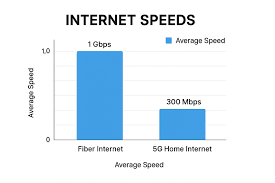
- T-Mobile 5G Home Internet: 200–300 Mbps average
- Verizon 5G Start Unlimited: 300–500 Mbps average
- AT&T 5G plans: 150–400 Mbps average
Compared to 4G, most users notice faster downloads, smoother streaming, and lower latency gaming.
Cost Analysis: 5G Plans vs Alternatives
Is 5G worth it in 2026 financially? Monthly 5G plans generally range from $40 to $70, depending on speed and provider:
| Provider | Plan | Average Speed | Monthly Cost |
|---|---|---|---|
| T-Mobile | Magenta Plus 5G | 200–300 Mbps | $55 |
| Verizon | 5G Start Unlimited | 300–500 Mbps | $65 |
| AT&T | 5G Unlimited Extra | 150–400 Mbps | $55 |
Compared to fiber internet, 5G can be competitive in price with wireless convenience, while fiber may offer faster and more stable speeds.
Availability and Coverage in 2026
Availability is a key factor when evaluating if 5G is worth it in 2026. Coverage is strong in urban and suburban areas, but rural regions may still rely on 4G or satellite connections.
- Urban areas: nearly full coverage with high speeds
- Suburban areas: expanding coverage, some speed fluctuations
- Rural areas: limited coverage, lower speeds
Pros and Cons of Upgrading to 5G
Pros
- Faster speeds for streaming, gaming, and downloads
- Low latency improves video calls and gaming
- Supports multiple devices in households and smart homes
- Wireless installation options for home internet
Cons
- Coverage may be limited in rural areas
- Speeds fluctuate with network congestion
- Devices must support 5G
- Cost may be higher than 4G for some users
Comparison Table: 5G vs Other Networks
| Feature | 5G | 4G LTE | Fiber Internet |
|---|---|---|---|
| Download Speed | 100–1000 Mbps | 10–100 Mbps | 300–1000 Mbps |
| Latency | 1–20 ms | 50 ms | 1–5 ms |
| Reliability | Good, varies by coverage | Good | Excellent |
| Installation | Wireless | Wireless | Wired |
| Cost | $40–$70/month | $30–$50/month | $40–$100/month |
How to Decide if 5G is Worth It for You
- Check 5G coverage and network reliability in your area
- Consider your internet speed needs for streaming, gaming, and work
- Compare cost with alternatives like fiber or cable
- Evaluate device compatibility with 5G networks
- Think about future-proofing your home internet
Tips to Maximize 5G Performance
- Place your 5G router in an open, central location
- Keep devices updated to support the latest 5G bands
- Monitor for network congestion and choose off-peak hours for large downloads
- Consider external antennas to boost coverage
- Compare multiple providers to find the best local performance
FAQs
Is 5G really faster than 4G?
Yes, 5G can deliver 10–20 times faster speeds than 4G LTE, depending on coverage and device.
Is 5G worth it in 2026 for home internet?
For urban and suburban users, 5G provides high-speed wireless internet, making it a strong alternative to fiber where wired connections are unavailable.
Are 5G plans expensive?
Monthly plans range from $40–$70, often including unlimited data and wireless convenience, which can justify the cost.
Does 5G support multiple devices?
Yes, modern 5G routers and mobile plans allow multiple devices to connect simultaneously without significant slowdown.
Can 5G replace fiber internet?
In some urban areas, 5G can replace fiber for casual users, but fiber remains better for symmetrical speeds, heavy usage, and low-latency applications.
Which 5G provider is best in 2026?
T-Mobile, Verizon, and AT&T are leading providers offering competitive speeds, coverage, and pricing.
Is 5G safe to use?
Yes, 5G follows the same safety regulations as previous mobile networks and is considered safe for everyday use.
Final Thoughts
Deciding if 5G is worth it in 2026 comes down to your location, internet needs, and budget. For users in areas with strong coverage, 5G provides fast, low-latency, and flexible wireless internet. While fiber remains superior in speed and reliability, 5G is a strong alternative for mobile and home use, especially for households seeking convenience and cost-effective options. Compare speeds, plans, and coverage carefully to make the right choice for your digital lifestyle.


Leave a Reply